
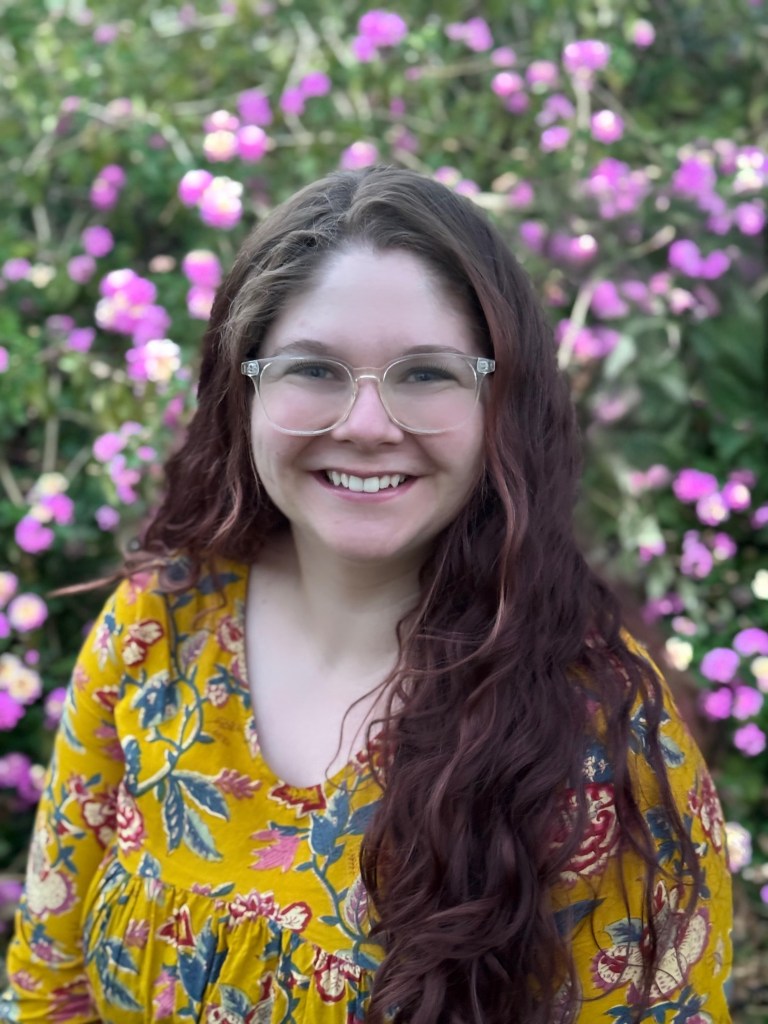
Welcome to my website! I’m so glad you’re here. My name is Dr. Aubrial Harrington, and I’m a philosopher and applied ethicist by training and a narrative specialist by profession. I am currently working at the intersection of ethics, political philosophy, immigration, and public storytelling. My trajectory has been shaped by three core commitments: I want to understand, I want to be kind, and I want to lessen fear by making room for connection.
I hold a PhD in Philosophy from Arizona State University, where my research spanned applied ethics of immigration, political philosophy, feminist theory, Latinx philosophy, and Philosophy, Politics, and Economics (PPE).
My scholarly work centers on immigration ethics and border theory, with particular attention to the experiences of undocumented Latina immigrants. Drawing on Latinx philosophy, feminist theory, and border studies, I approach borders not simply as geographic lines, but as political architectures that structure belonging, vulnerability, and access to justice. My broader interests include environmental ethics, animal ethics, political systems, and AI ethics. Across these domains, I remain especially attentive to how large-scale systems shape lived experience, often invisibly.
Alongside my academic research, I work in narrative change and strategic communications as a Narrative Development Specialist through an ACLS Leading Edge Fellowship placed at a legal aid nonprofit dedicated to protecting and promoting immigrant rights. In this role, I develop values-aligned storytelling that translates complex legal realities into clear, human narratives—supporting advocacy, public education, and organizational credibility across audiences ranging from policymakers to funders to the general public.
I’m deeply committed to public philosophy and teaching. Whether through writing, teaching, or narrative work, my goal is to make ethical reflection accessible and relevant to reduce fear, challenge oppression, and create space for more just and compassionate ways of living together.

